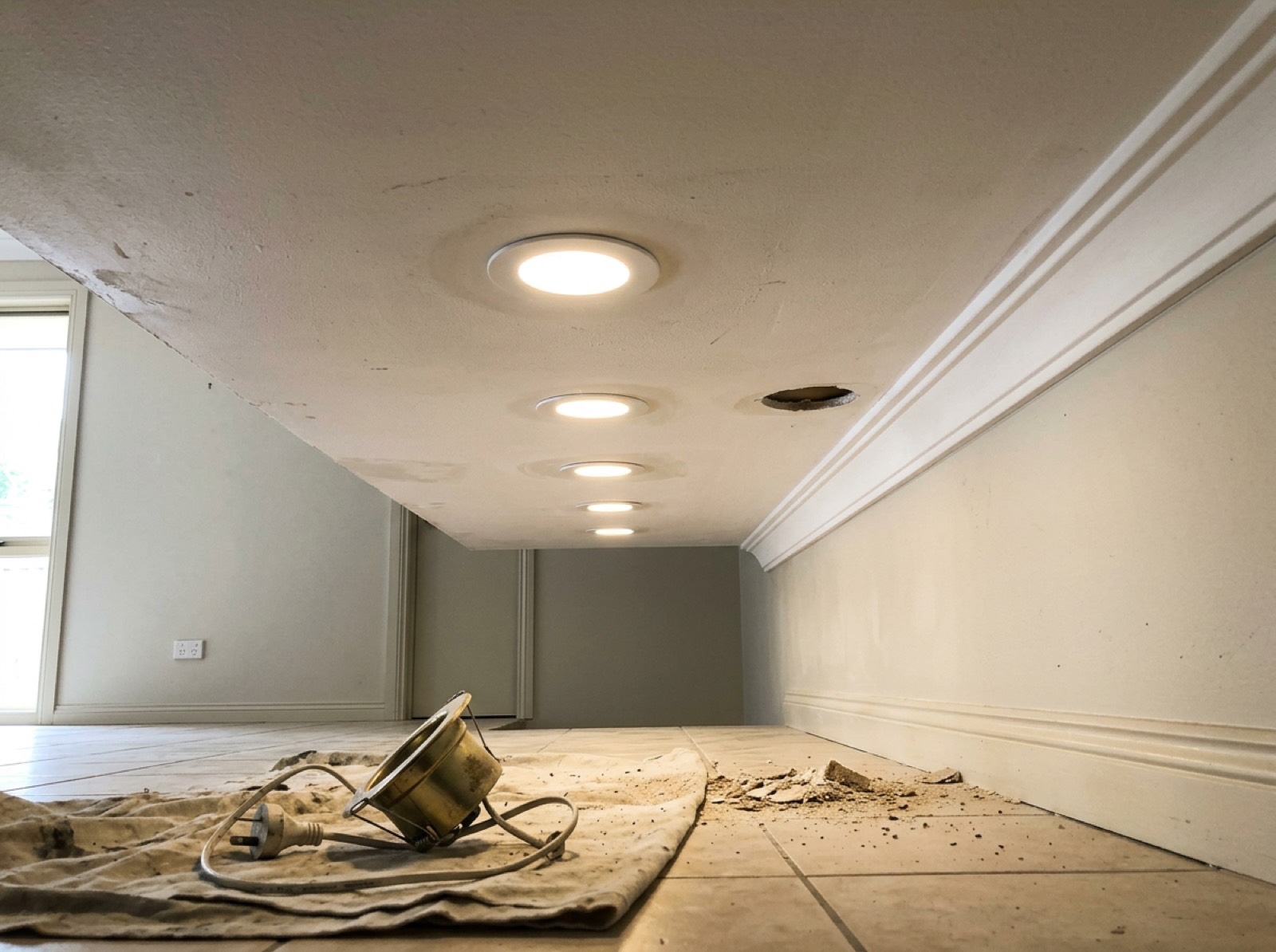
As a rough guide, converting halogen downlights to LED in Perth costs around $50 to $110 per fitting depending on the fitting type and ceiling access, so a typical twenty-light home lands somewhere in the low thousands. A halogen downlight draws about 50 watts against roughly 5 to 9 for an equivalent LED, so the running cost drops by around ninety percent for that lighting.
This is one of the few jobs where the sales pitch and the reality actually line up. Halogen downlights are genuinely expensive to run and genuinely hot, and swapping them is genuinely worth doing. The useful question is what it costs and how quickly it pays for itself.
The running cost maths
A halogen downlight draws roughly 50 watts. An equivalent LED draws somewhere around 5 to 9 watts for the same light output. That is close to a ninety percent reduction on that circuit.
Across a house with twenty downlights running an average of five hours a day, you are moving from around 5 kilowatt hours a day to well under one. Over a year, on typical Western Australian residential rates, that is a meaningful line on the bill rather than a rounding error. Your own figure depends on your tariff and how much you actually use the lights, so treat this as the shape of the saving rather than a promise.
The reason that matters more than the bill
Halogen downlights run hot. Hot enough that clearance from insulation matters, and hot enough that the fittings themselves degrade over years of use. In a lot of older installations, insulation has been added or moved at some point and now sits against fittings that were never meant to be covered.
Converting to LED is the natural moment to look at that, because the fittings are coming out anyway. Checking what is happening above the ceiling is part of doing the job properly rather than an extra.
What changes the price per light?
- Fitting type. A straight lamp swap is cheap. A full fitting replacement, which is usually the better answer, costs more and lasts longer.
- Ceiling access. A flat, accessible roof space is quick. A cathedral ceiling, a second storey or a tight roof is not.
- Existing transformers. Old halogen transformers usually come out as part of the job, which is a good thing but takes time.
- Dimmers. Many older dimmers were designed for halogen loads and will make LEDs flicker or buzz. Replacing them is often necessary and is better identified upfront.
Will my dimmers still work?
Sometimes, and it is worth being told honestly before the job rather than after. A dimmer built for a 50 watt halogen load frequently behaves badly with a 7 watt LED, and the symptoms are flickering, buzzing or a very narrow usable dimming range. Where that is likely, it gets quoted as part of the work.
What about outdoor and sensor lighting?
The same conversion applies outside, with one addition: near the coast, fittings need to be rated for salt air. Cheap outdoor fittings in Mullaloo, Trigg or anywhere else on the water tend to fail early, and replacing them twice costs more than specifying properly once.
Is it worth doing on its own?
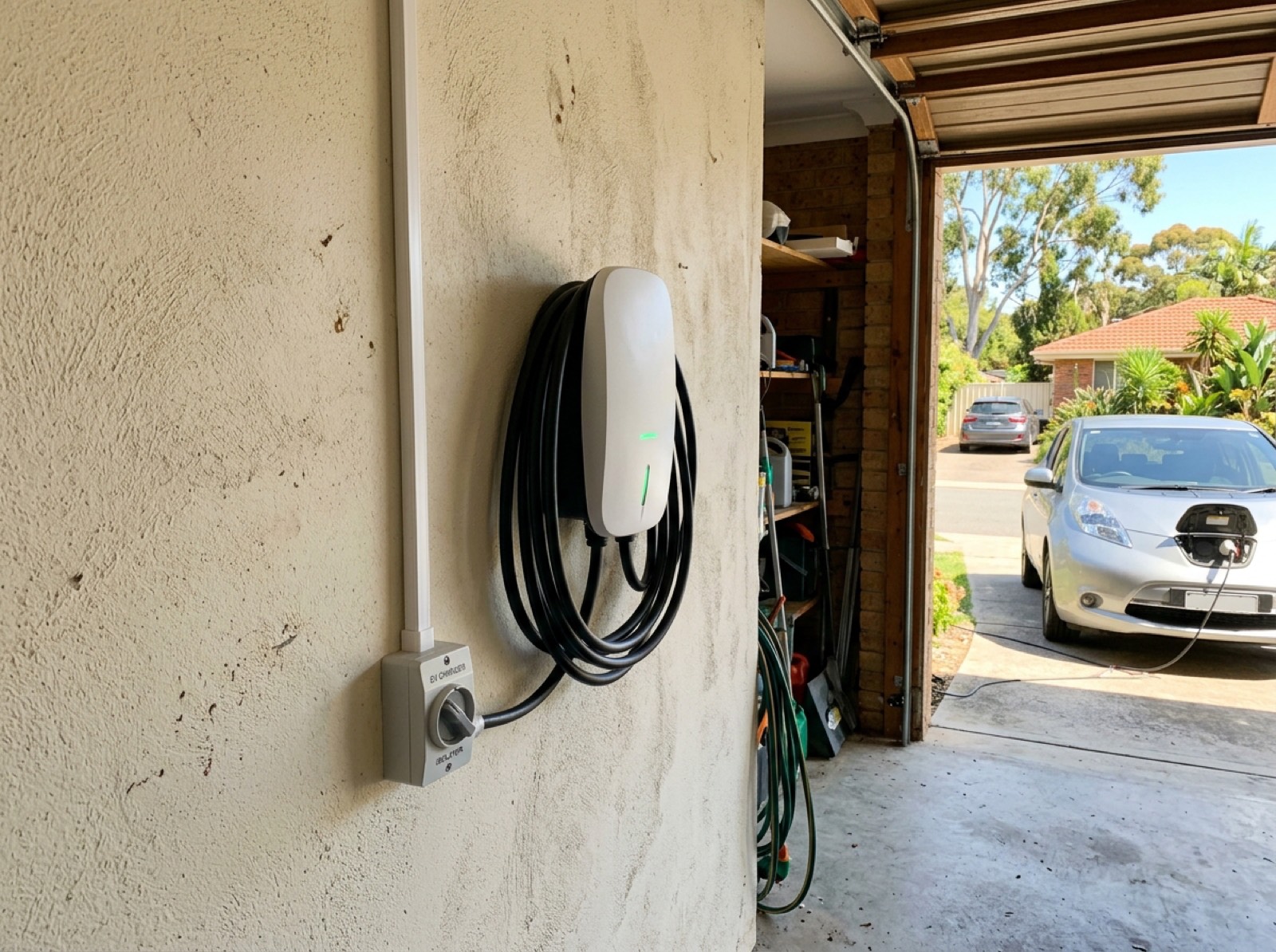
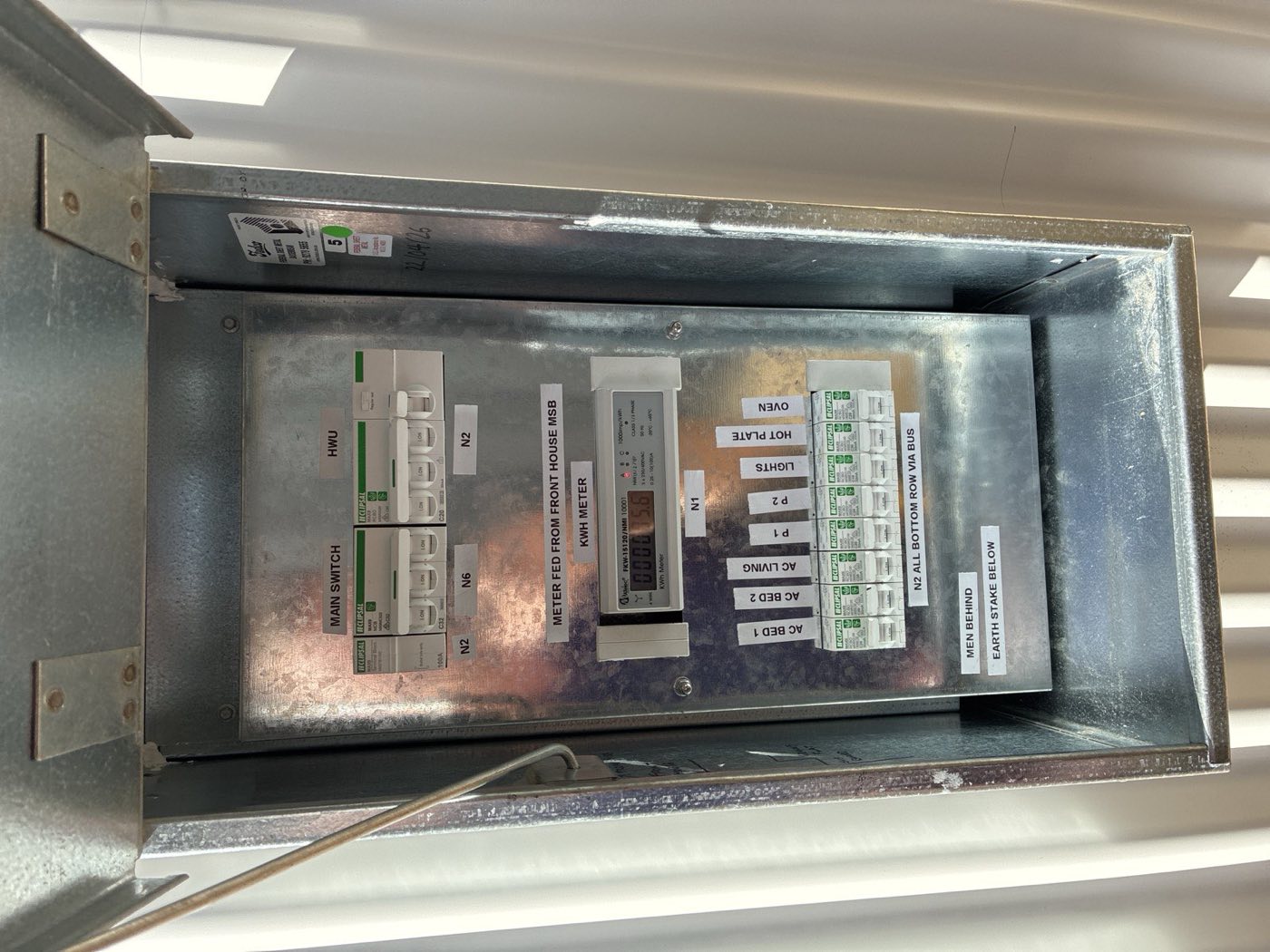
It is, and it is also one of the cheapest things to add to a visit that is already happening. If you have a switchboard upgrade or an EV charger booked, mentioning the lighting at the same time almost always costs less than a separate job later.
The figures here are general market guidance rather than a quote. Ask for a fixed price and you will get a real number for your house and your ceiling.
Want a real figure for your job?
Every place is different. Send through what you need and Oliver will give you a fixed price in writing.