A tripping switch is a protective device doing exactly what it is designed to do, so the fix is finding the cause rather than resetting it repeatedly. The usual causes are a faulty appliance, moisture in a circuit, an overloaded circuit, or a genuine wiring fault. If it trips immediately every time you reset it, or you smell burning, stop and call an electrician.
Almost everyone's first instinct is to walk to the board and flick the switch back on. That is fine once. When it becomes a habit, the switch is telling you something and the resetting is just postponing it.
What kind of switch is tripping?
Boards have two different protective devices and they trip for different reasons.
- A circuit breaker protects the wiring from too much current. It usually trips because a circuit is overloaded or something has shorted.
- A safety switch, or RCD, watches for current escaping where it should not, which is the situation that hurts people. It trips because of a leakage fault, very often moisture or a failing appliance.
Knowing which one has gone off narrows the problem considerably, and it is genuinely useful information to have ready when you ring.
The safe things you can check yourself
Without opening anything or touching wiring, you can narrow it down a long way.
- Unplug everything on the affected circuit, reset, then plug things back in one at a time. A single faulty appliance is the most common cause by a distance.
- Think about what changed. A new appliance, recent rain, a leak, or work done in the roof or garden are all common triggers.
- Notice the pattern. Does it trip when the kettle and heater are both on? That points to overload. Does it trip after rain? That points to moisture.
- Check outdoor points and sheds. Outdoor circuits and anything in a damp area are frequent culprits, particularly near the coast.
When to stop and call someone
Some situations are not diagnostic exercises. Call an electrician promptly if the switch trips the instant you reset it with nothing plugged in, if there is any smell of burning or scorching around a socket or the board, if a switch or powerpoint is hot or discoloured, or if the tripping started after water damage. These are covered by emergency callouts for a reason.
Why repeated tripping matters even when it seems minor
A nuisance trip that has been happening for months is often an early symptom of a deteriorating connection or a circuit carrying more than it should. Left alone, those get worse rather than better. The other risk is more human: people get tired of the interruption and start bypassing protection, which removes the thing that was keeping them safe.
What an electrician actually does about it
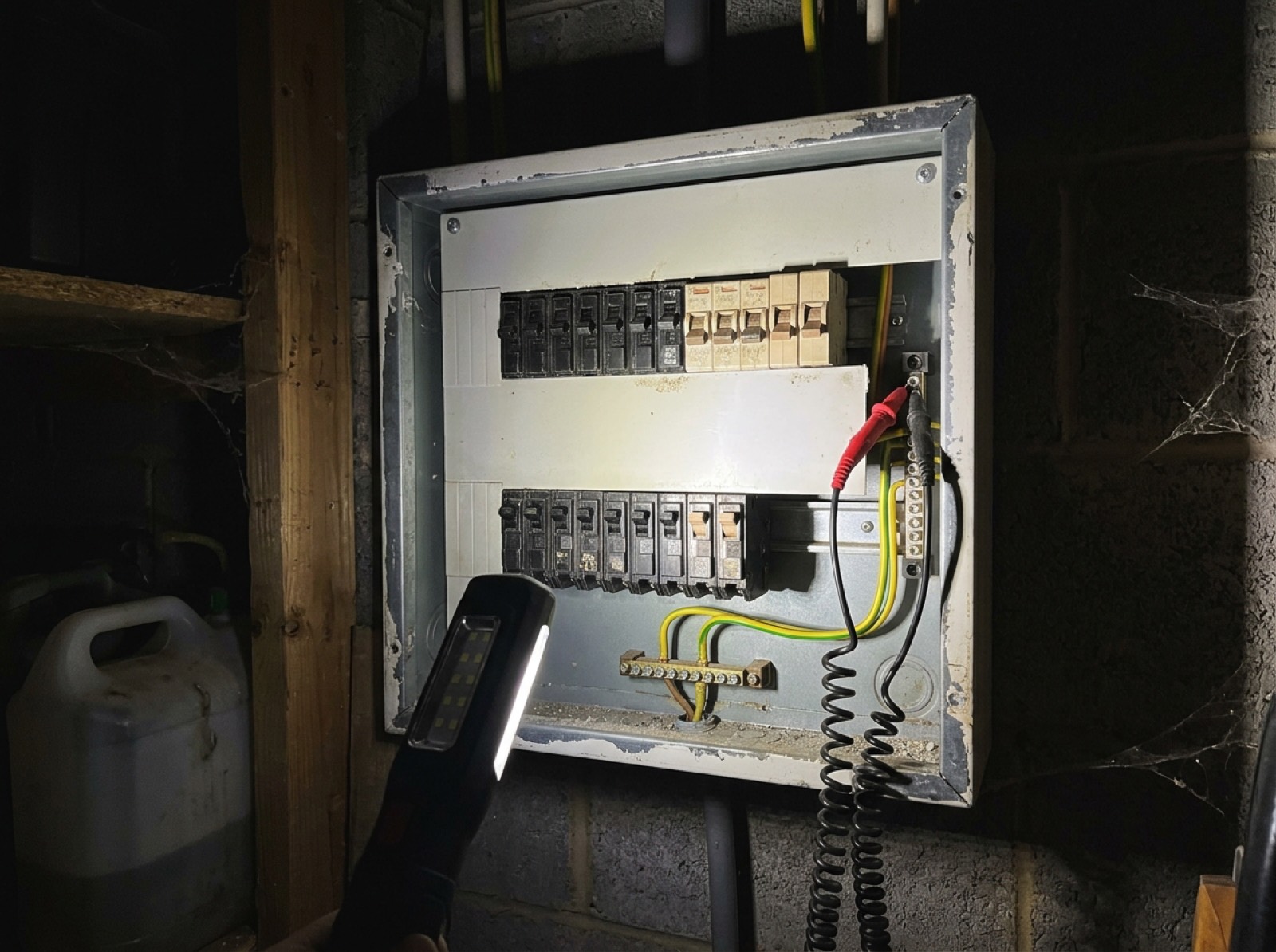
Proper fault finding means isolating circuits and testing to find where the fault genuinely is, rather than replacing parts and hoping. Sometimes the answer is a single failed appliance. Sometimes it is a circuit that was always marginal and has finally been pushed over by a new air conditioner. Occasionally it is a board that has reached the end of its life.
Whatever it turns out to be, you should get told what it is, what fixing it properly involves and what it costs before the repair goes ahead. If your board keeps tripping anywhere across the coastal suburbs, from Trigg to Claremont, get in touch and it can be traced properly.
Want a real figure for your job?
Every place is different. Send through what you need and Oliver will give you a fixed price in writing.